Key Factors for Effective Sound Absorption
Whether it’s an open-plan office or a large commercial venue, sound absorption plays a vital role in creating a more comfortable and functional environment. By reducing reverberation, echo, and background noise, acoustic panels help improve clarity, concentration, and overall user experience. But optimising sound absorption isn’t just about choosing any acoustic product — it requires careful planning and the right combination of materials.
Acoustic baffles, in particular, are an innovative and economical alternative to fully suspended ceilings. These vertically hung panels can dramatically reduce reverberation in high-volume spaces such as warehouses, studios, schools, or restaurants. In addition to their performance benefits, baffles also bring architectural interest to a space and are available in a variety of finishes, colours, and configurations.
To get the best results, there are a few key considerations that apply across all room types. From material selection to coverage ratios, here are the essential factors to keep in mind when planning a sound absorption strategy:
Essential Rules for Optimising Sound Absorption
- Measure the area correctly: You don’t need to cover every inch of space. Calculating the right amount of coverage is essential — typically, covering one-third of a room’s surface area will yield noticeable improvements.
- Choose quality materials: It’s better to use fewer high-performing acoustic panels than to over-cover a room with low-grade options. Consider the expected lifespan and usage of the space when selecting products.
- Mix ceiling and wall treatments: Combining vertical and horizontal acoustic surfaces improves performance by addressing different reflection paths.
- Select products suited to the room type: Some spaces require vibrancy, such as restaurants and creative studios, while others demand quiet focus. Avoid over-absorption that could leave a space feeling dull or lifeless.
- Consult with acoustic experts: Every space is different. Seeking expert advice can help you avoid common mistakes and ensure you maximise the benefits from your budget.
Frequently Asked Questions
Do I need to treat every surface in the room?
No — effective treatment can usually be achieved by covering around 30–50% of the surface area, depending on the layout and use of the space.
What’s the benefit of using acoustic baffles instead of a whole ceiling?
Baffles are often more economical, easier to install, and allow for better airflow and lighting integration. They’re ideal for retrofits or high-roof spaces.
Can sound absorption make a room too quiet?
Yes, in some social or creative environments, too much absorption can feel flat. The goal is to strike the right balance, not eliminate sound entirely.
How do I determine which acoustic product is best suited for my space?
Different products have different strengths. For example, fabric panels are ideal for mid-frequency absorption, while polyester and timber options offer flexibility and durability.
Should I use wall panels, ceiling panels, or both?
A mix of both generally delivers the best performance, especially in larger or more acoustically complex spaces.
Need Help Planning Acoustic Coverage?
At Sontext, we’ll help you choose the right acoustic materials for your space, goals, and budget. Whether it’s baffles, ceiling panels, or a custom combination, we’re here to help. Call us on +61 3 9432 2733 or contact us online to speak with our acoustic team.
[robo-gallery id=16710]

Acoustic Ceiling Panels
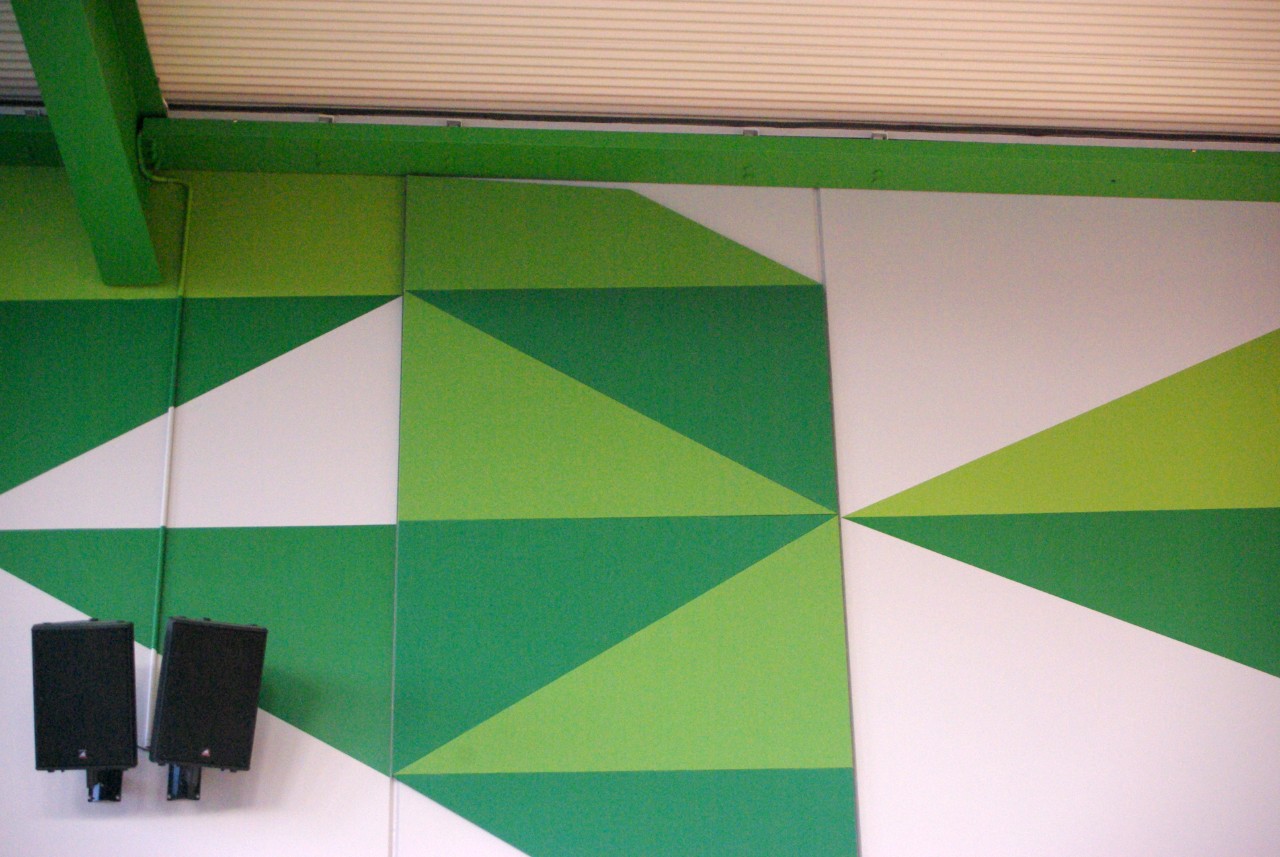
In many instances, it is not possible to install an acoustic treatment to interior walls because of furniture, window and door openings, etc. However, Serenity Acoustic Ceiling Panels can easily be installed on ceilings. Serenity Acoustic Ceiling Panels are available in thicknesses from 25mm to 125mm. The choice depends on what frequency range is required to be absorbed. Serenity Acoustic Ceiling Panels can be direct fixed or suspended using Sontext hanging systems.