
Where Should I Install Acoustic Panels for the Best Results?
Correct placement of acoustic panels makes a noticeable difference to speech clarity and overall comfort in a room. Whether it’s a classroom, boardroom, worship centre or open-plan office, strategic positioning is more important than simply adding more panels. This guide explains the best locations for acoustic panels and how to get a balanced acoustic result.
Start with the First Reflection Points
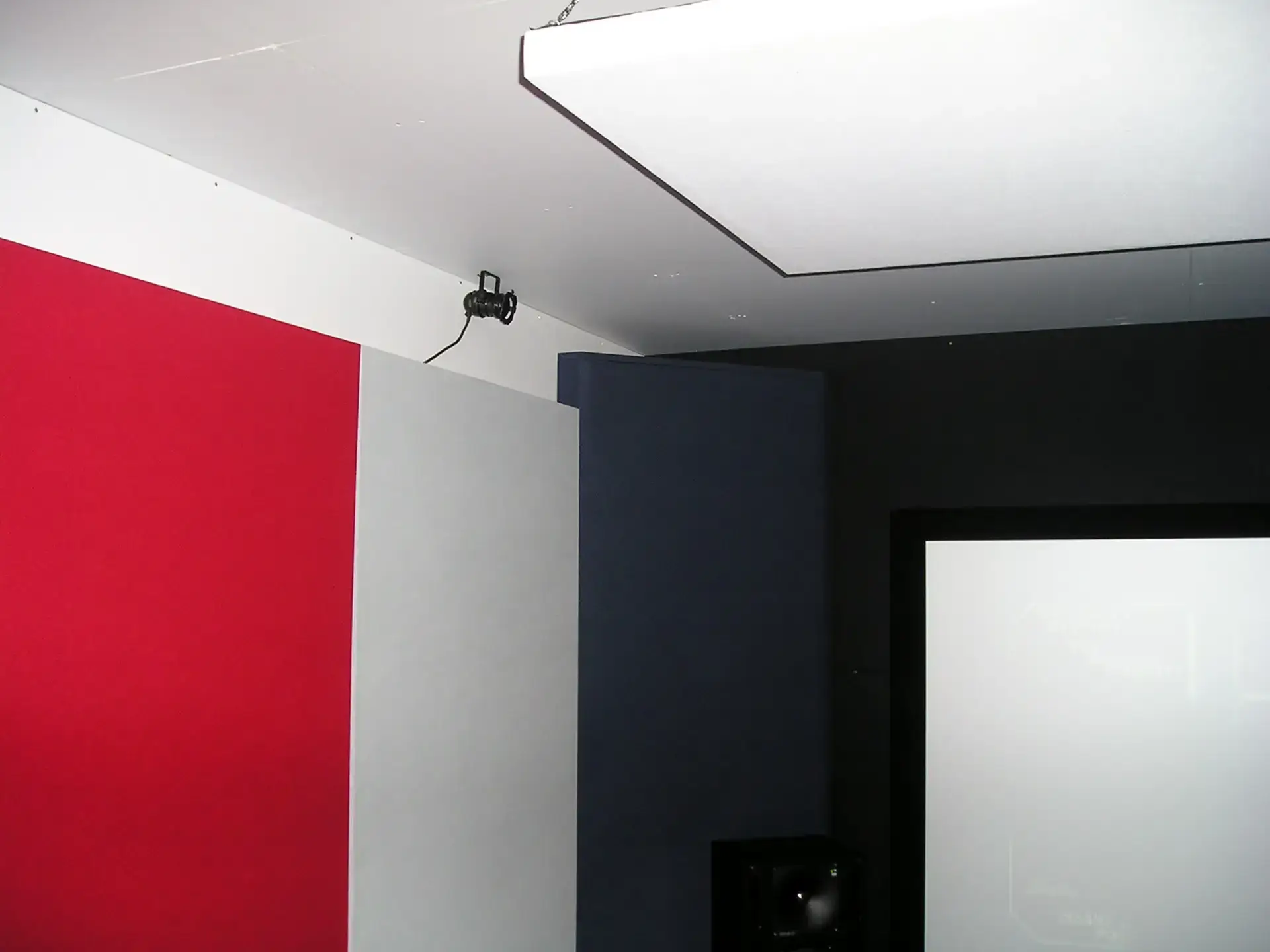
First reflection points are the surfaces where sound initially bounces before reaching listeners. Treating these areas helps reduce harsh echo and improves clarity immediately.
- Side walls near seating or desks
- Wall behind the presenter, teacher or display
- Wall at the rear of the room behind the audience
Serenity Fabric Acoustic Panels work well here because they control speech reflections without changing the visual style of the room.
Use the Ceiling for Even Sound Control
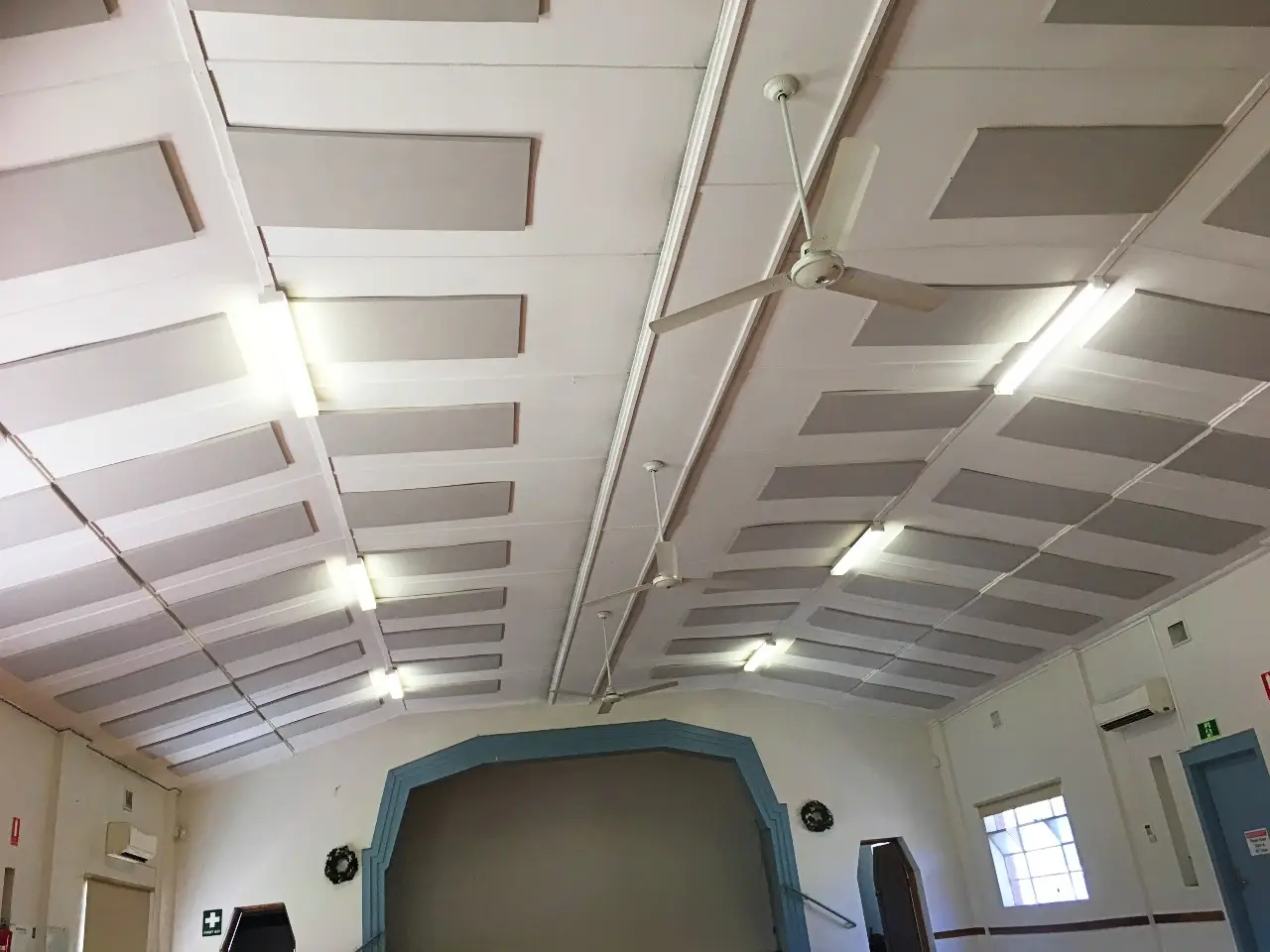
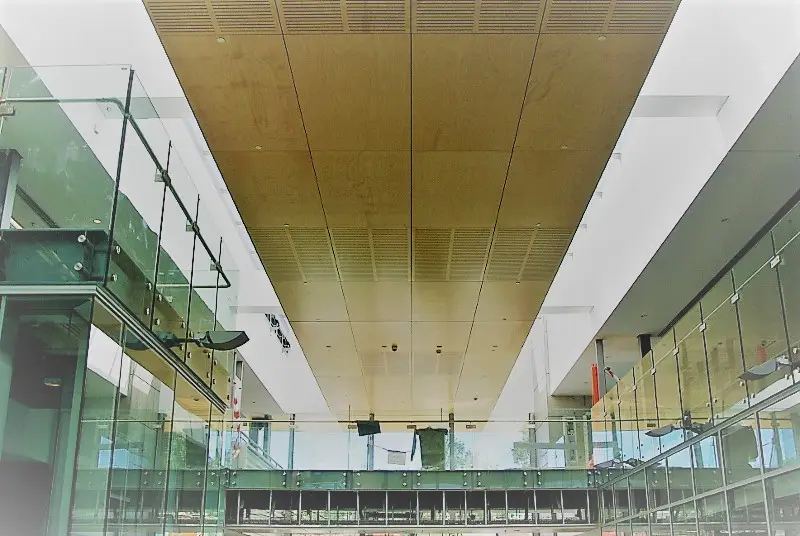
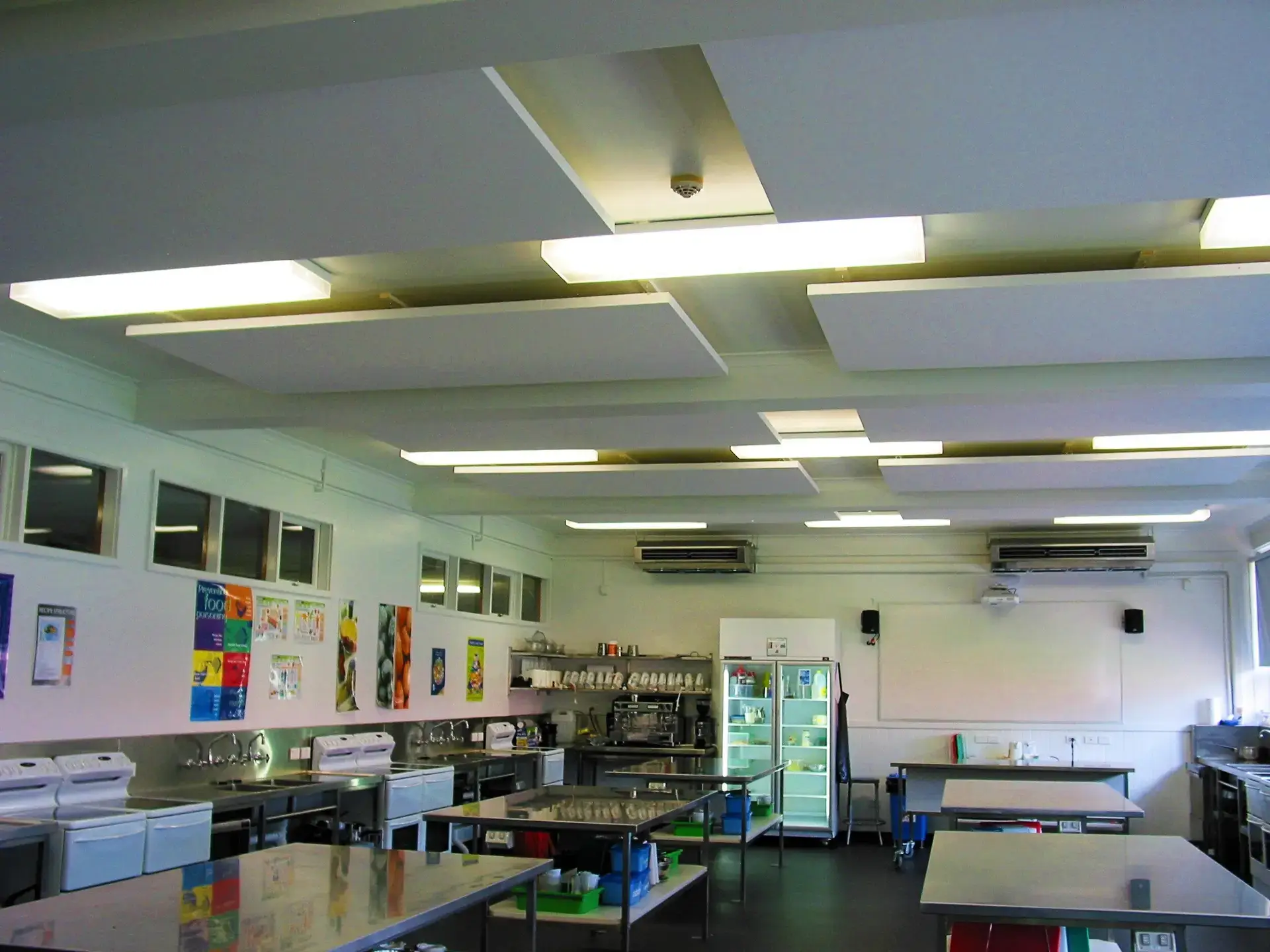
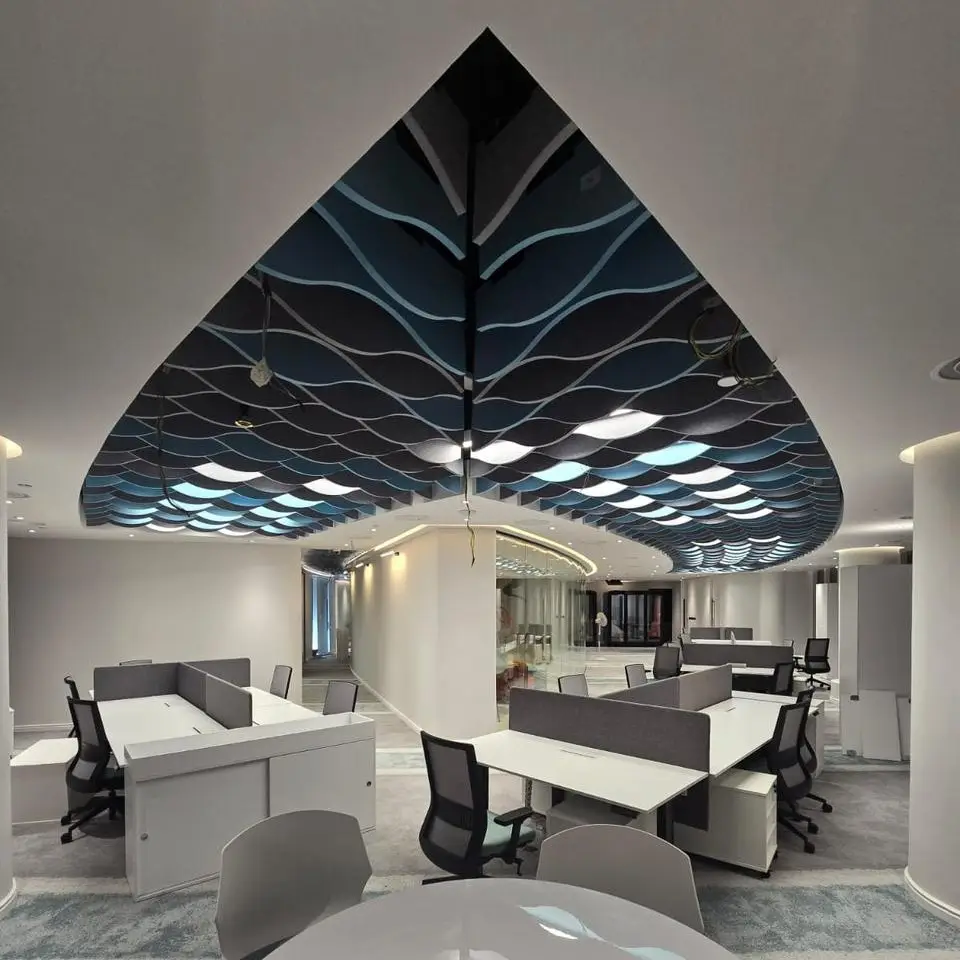
Ceilings cover the largest continuous surface in most interiors. Adding ceiling acoustic panels or clouds spreads absorption more evenly across the space.
This works especially well in:
- Classrooms and lecture theatres
- Boardrooms with long tables
- Community halls and multipurpose rooms
- Open-plan offices
Ceiling elements help reduce “dead spots” and give the room a more balanced acoustic profile.
Break Up Large Hard Surfaces
Hard surfaces such as plasterboard, concrete, glass and timber reflect sound strongly. Introducing acoustic panels across these areas helps break up long flat surfaces and reduce reverberation.
Ideal locations include:
- Long corridor walls
- Large walls facing meeting tables
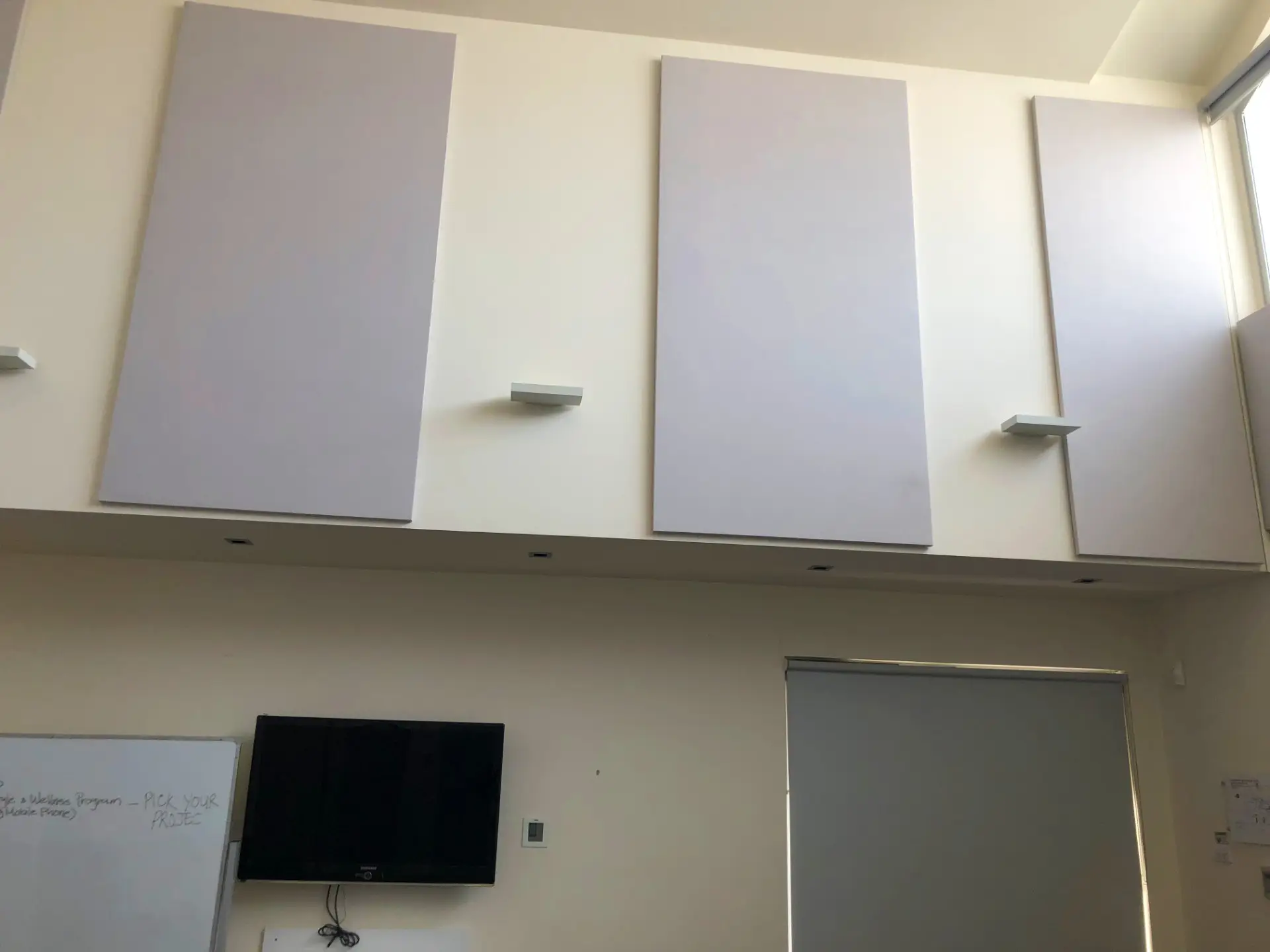
- Double-height spaces with echo
- Rear walls in worship centres or auditoriums
Consider the Height of the Panel Placement
The height of the panel should match how the room is used:
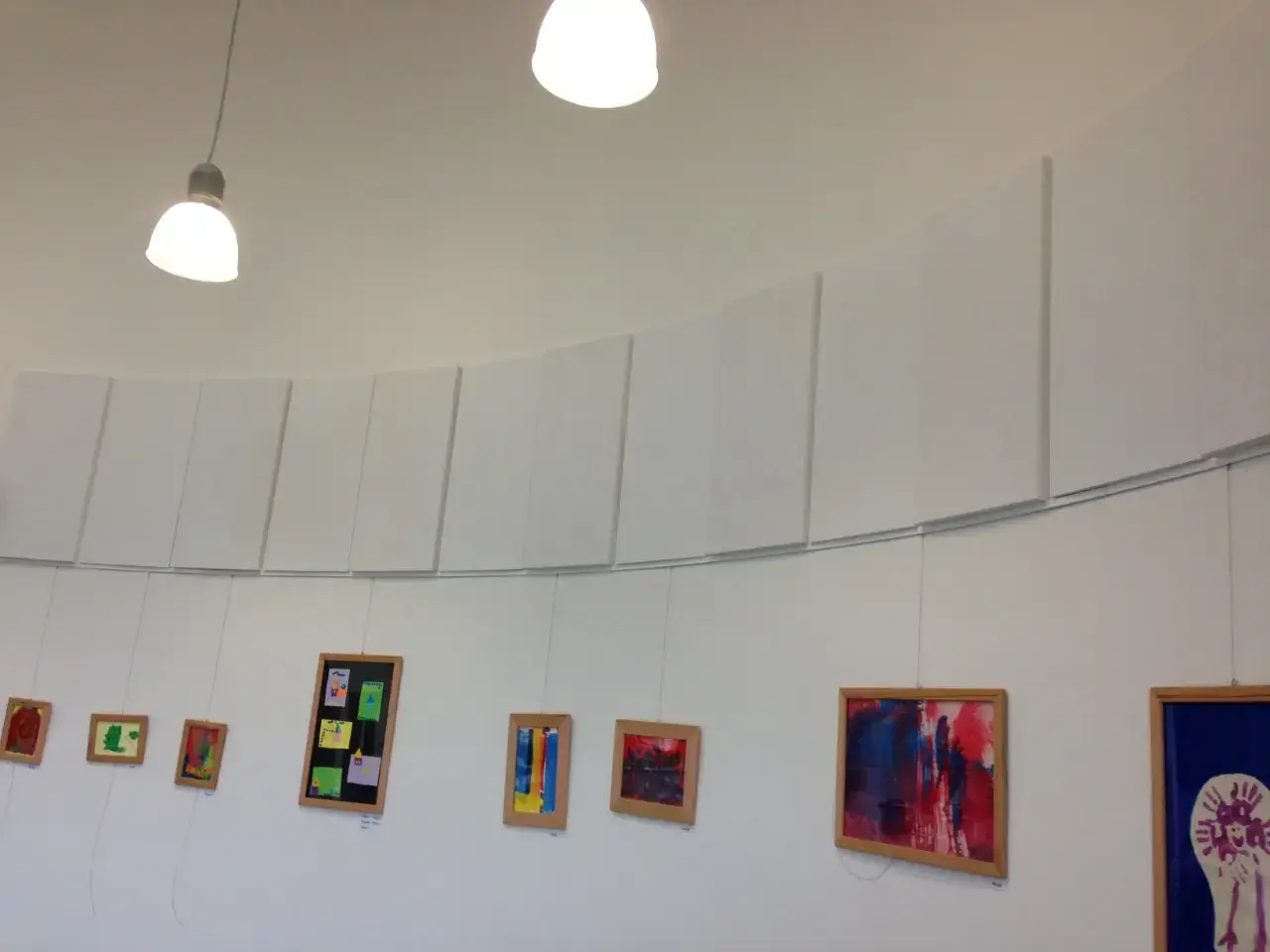
- Seated spaces: install panels between desk height and ceiling height.
- Standing or active spaces: treat mid-wall and higher locations.
- Large open spaces: combine high-level wall panels with ceiling panels for best results.
Use a Mix of Wall and Ceiling Panels
A combination of wall panels and ceiling panels provides a more complete acoustic solution. For example:
- Wall panels for speech clarity near seating
- Ceiling panels for overall sound balance
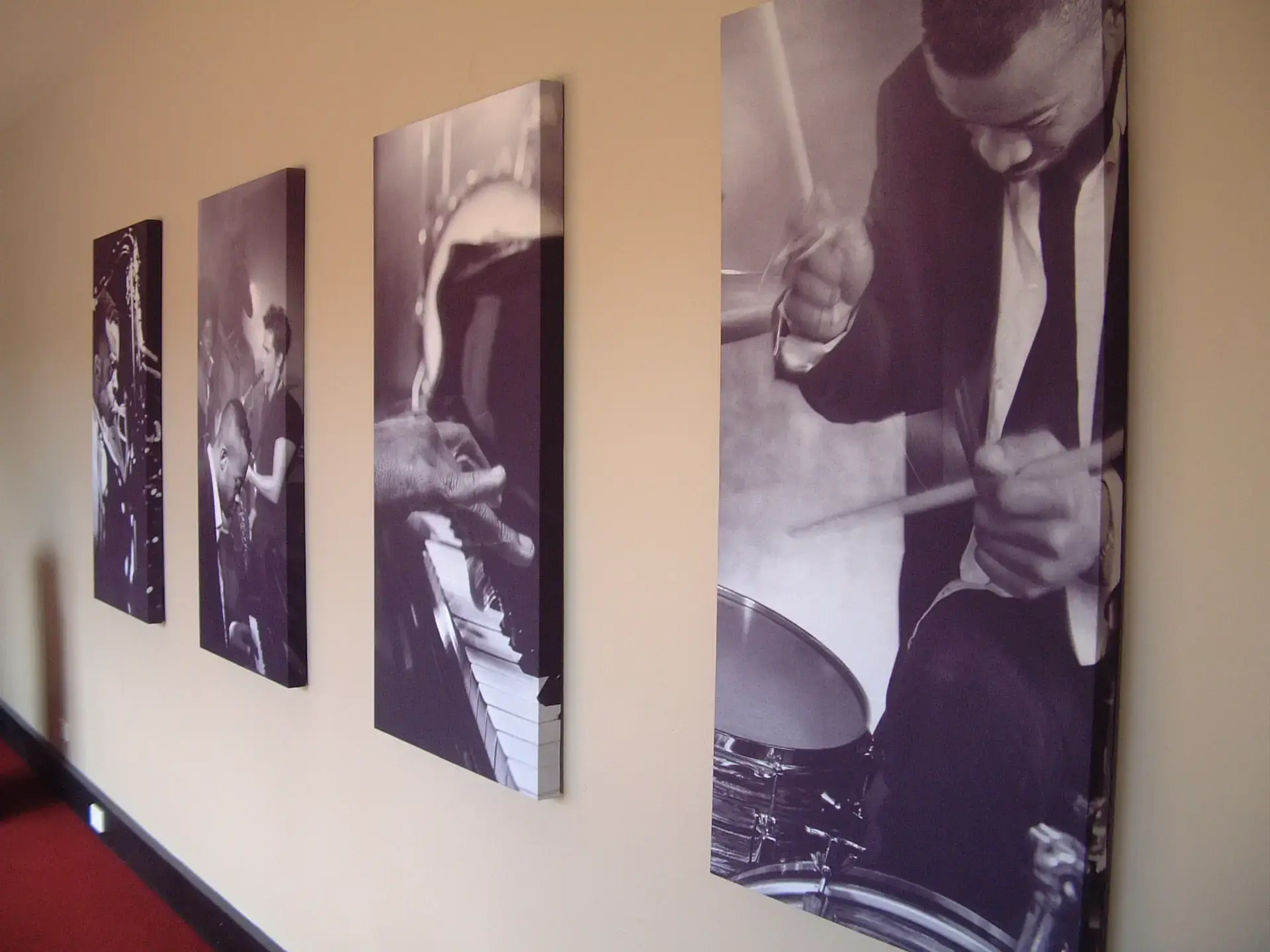
- Acoustic art panels for visual and acoustic performance
Recommended Sontext Products
- Serenity Fabric Acoustic Panels – ideal for walls and first reflection points.
- Serenity Acoustic Art Panels – printed panels for feature areas.
- Ceiling panels and cloud options to complement wall treatment.
Need Help Planning Your Acoustic Layout?
Every space behaves differently, and the right layout depends on size, ceiling height, furniture and how the room is used. The Sontext team can help you plan panel placement based on your drawings or photos.
Contact us to request an acoustic layout recommendation for your project.



Frequently Asked Questions About Acoustic Panel Placement
Where should acoustic panels be placed in a room?
Start with first reflection points on side walls and behind the presenter, then add ceiling panels or clouds for even sound control.
Do acoustic panels work better on walls or ceilings?
Both locations help. Wall panels reduce immediate reflections, while ceiling panels improve overall balance and reduce echo across the room.
How high should acoustic panels be installed?
Panels should be placed at ear height for seated or standing listeners. In large spaces, higher wall panels and ceiling panels improve coverage.
Should every wall have acoustic panels?
No. Most rooms only need treatment on key surfaces such as first reflection points, long hard walls and ceilings.
How do I know how many panels I need?
A good starting point is treating around 20–30% of the hard surfaces. Sontext can recommend quantities based on your room.