
How Do Fabric Acoustic Panels Work?
Fabric acoustic panels are a simple way to improve sound quality in rooms where speech clarity and comfort matter. You will see them in offices, classrooms, studios, worship centres and public spaces. But what do they actually do, and how do they work?
What Do Fabric Acoustic Panels Do?
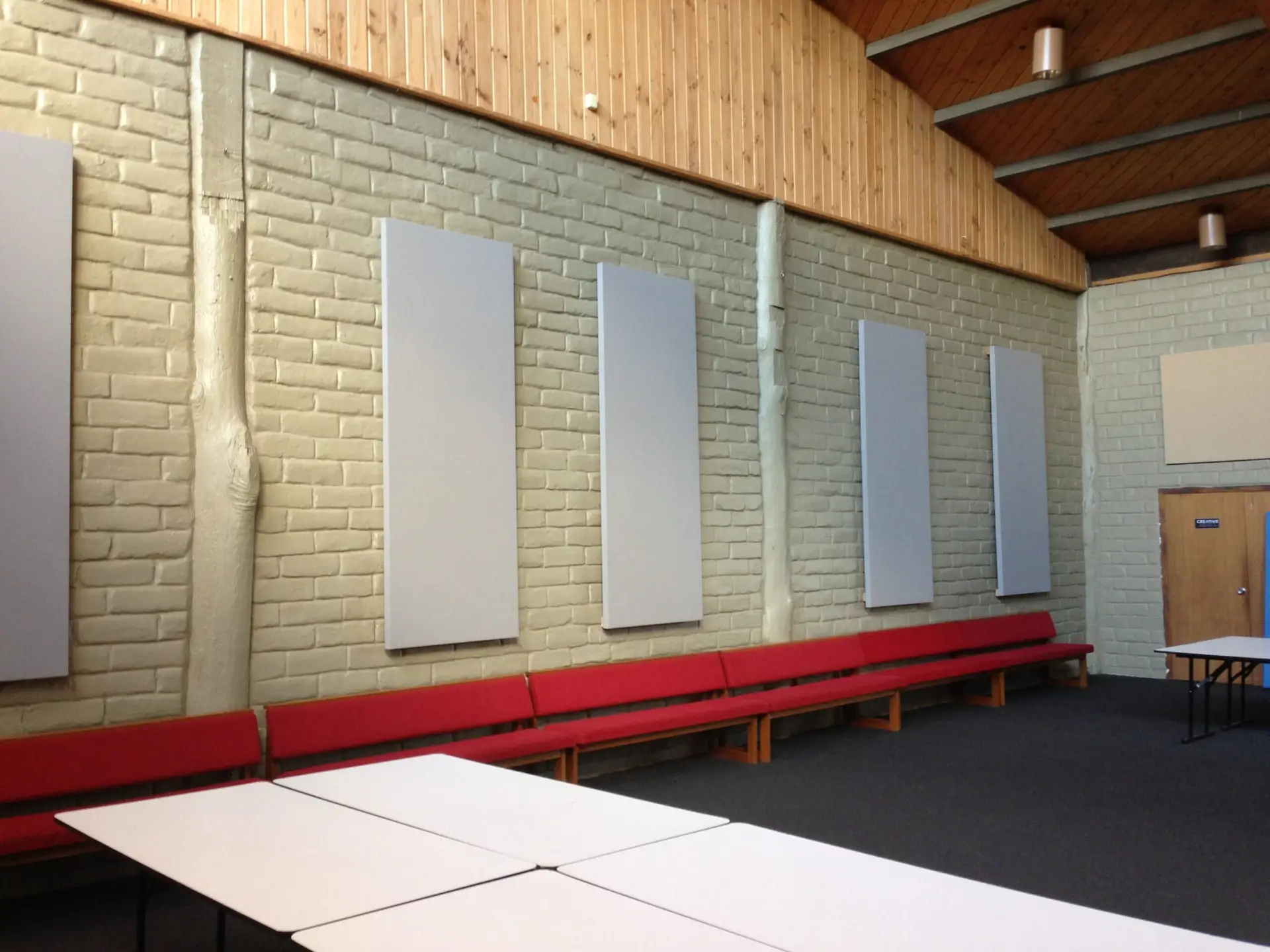
Hard surfaces such as plasterboard, glass, concrete and timber reflect sound. This creates echo and long reverberation, which makes speech tiring to listen to and difficult to understand. Fabric acoustic panels are sound-absorbing wall and ceiling panels designed to reduce those reflections.
Instead of bouncing sound back into the room, the panels absorb a portion of the sound energy, helping to create a clearer and calmer acoustic environment.
How Sound Is Absorbed Inside the Panel
A typical fabric acoustic panel, such as a Serenity Fabric Acoustic Panel, has three main components:
- Face fabric – the visible decorative fabric in your chosen colour or texture.
- Acoustic core – a sound-absorbing core that slows and dissipates sound energy.
- Frame or edge detail – provides structure and a neat finish.
When sound waves hit the panel, they pass through the fabric into the porous acoustic core. The fibres and air pockets inside the core create friction, which converts part of the sound energy into a small amount of heat. This process reduces the amount of sound reflected back into the room.
Why Thickness and Core Matter
The performance of a fabric acoustic panel depends on the thickness and type of acoustic core used. Thicker panels generally absorb more sound, especially at lower frequencies. Common options include:
- Thinner panels for speech-focused spaces and where wall depth is limited.
- Thicker panels where stronger control of echo is needed, such as studios or high-volume areas.
Sontext can recommend suitable panel thicknesses and core types based on the room size and use.
Where Fabric Acoustic Panels Work Best
Fabric acoustic panels are most effective in rooms where people are speaking, teaching, meeting or performing. Typical installations include:
- Boardrooms and meeting rooms
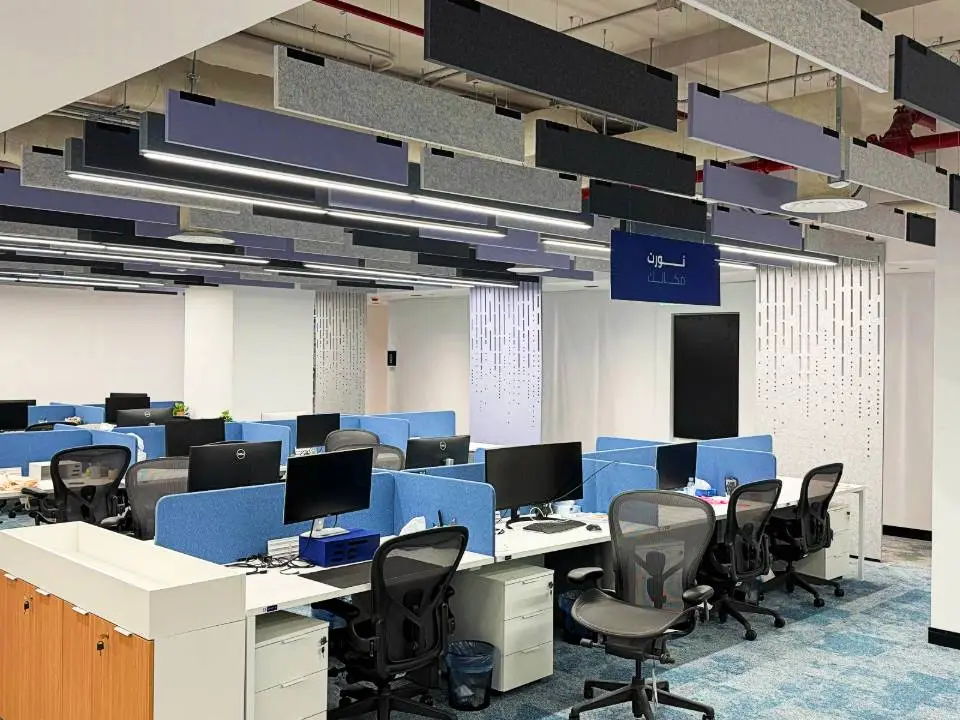
- Open-plan offices and collaboration zones
- Classrooms and lecture theatres
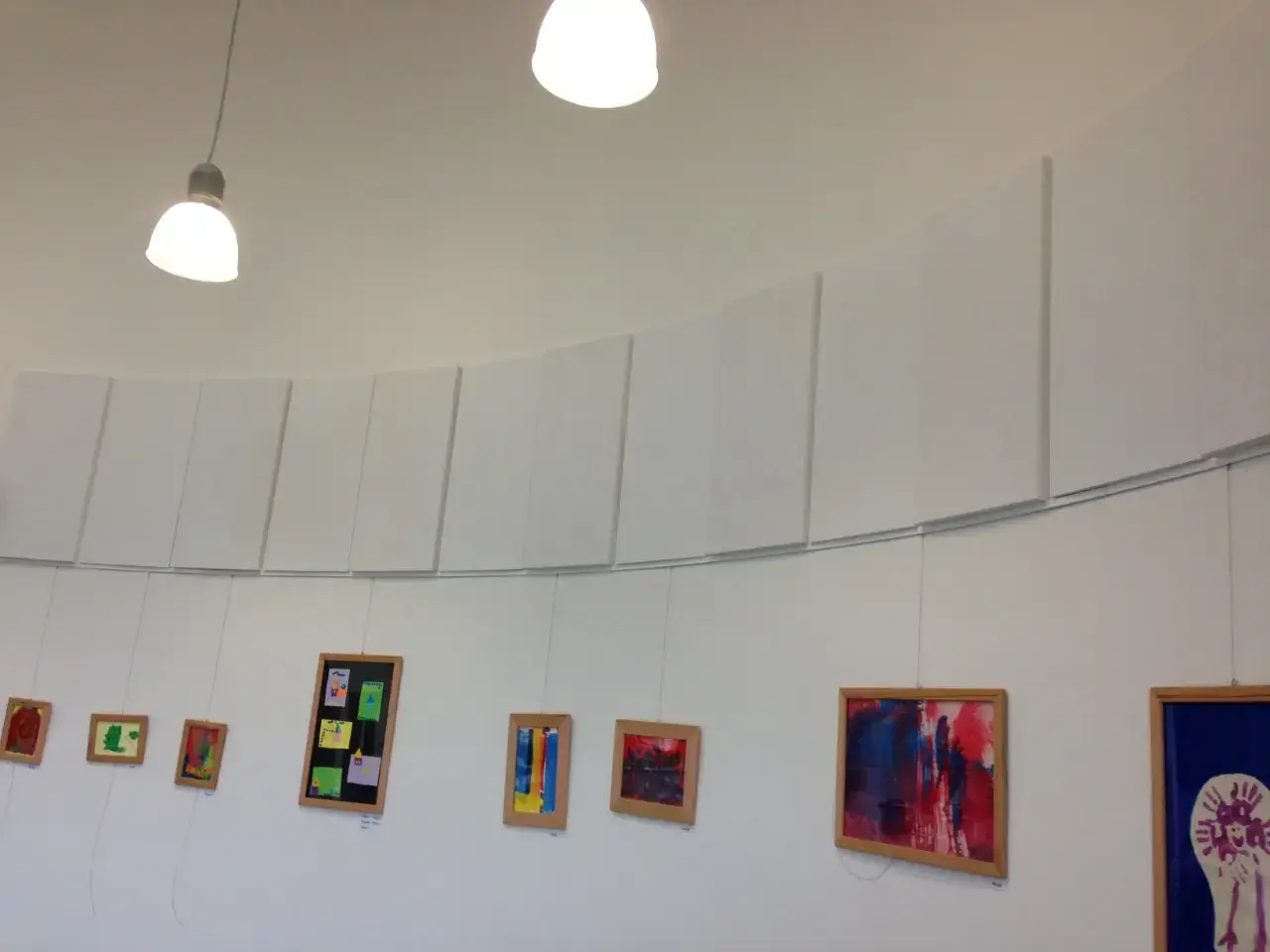
- Worship centres and community halls
- Studios, rehearsal rooms and media spaces
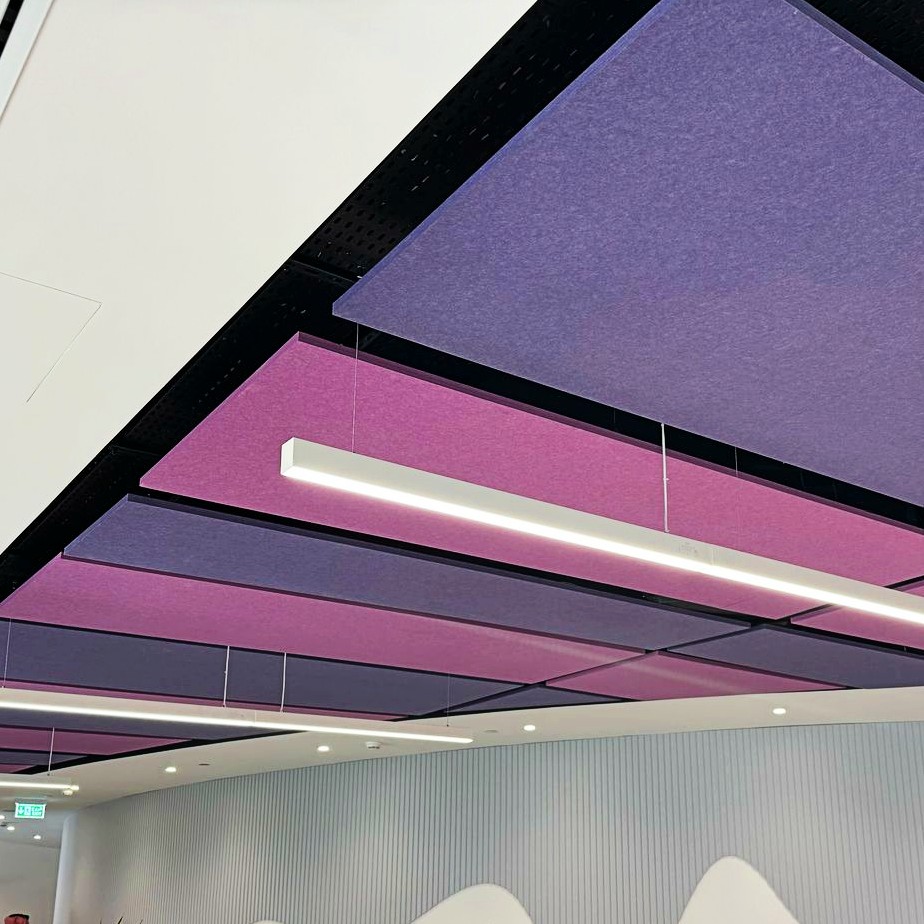
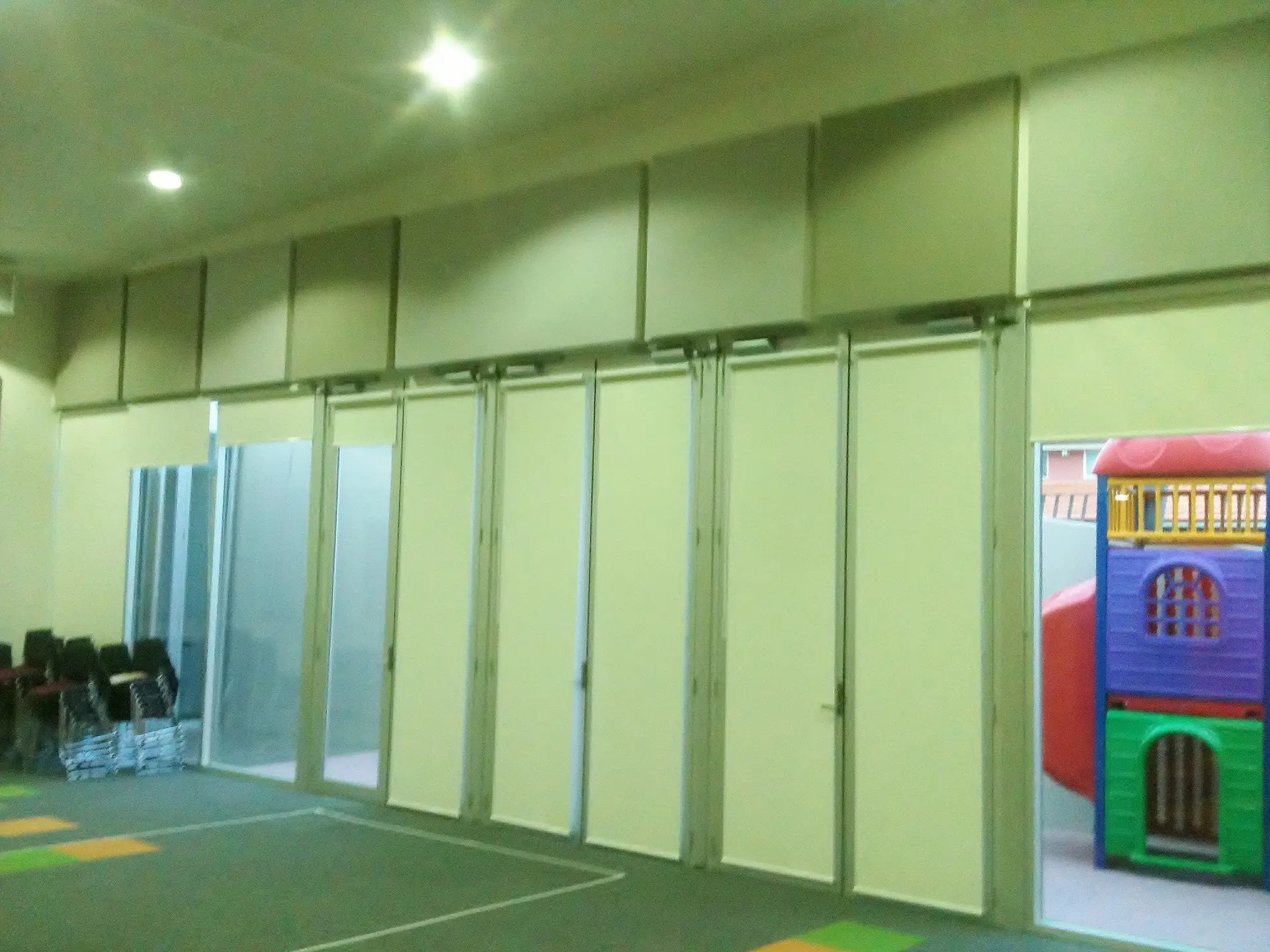
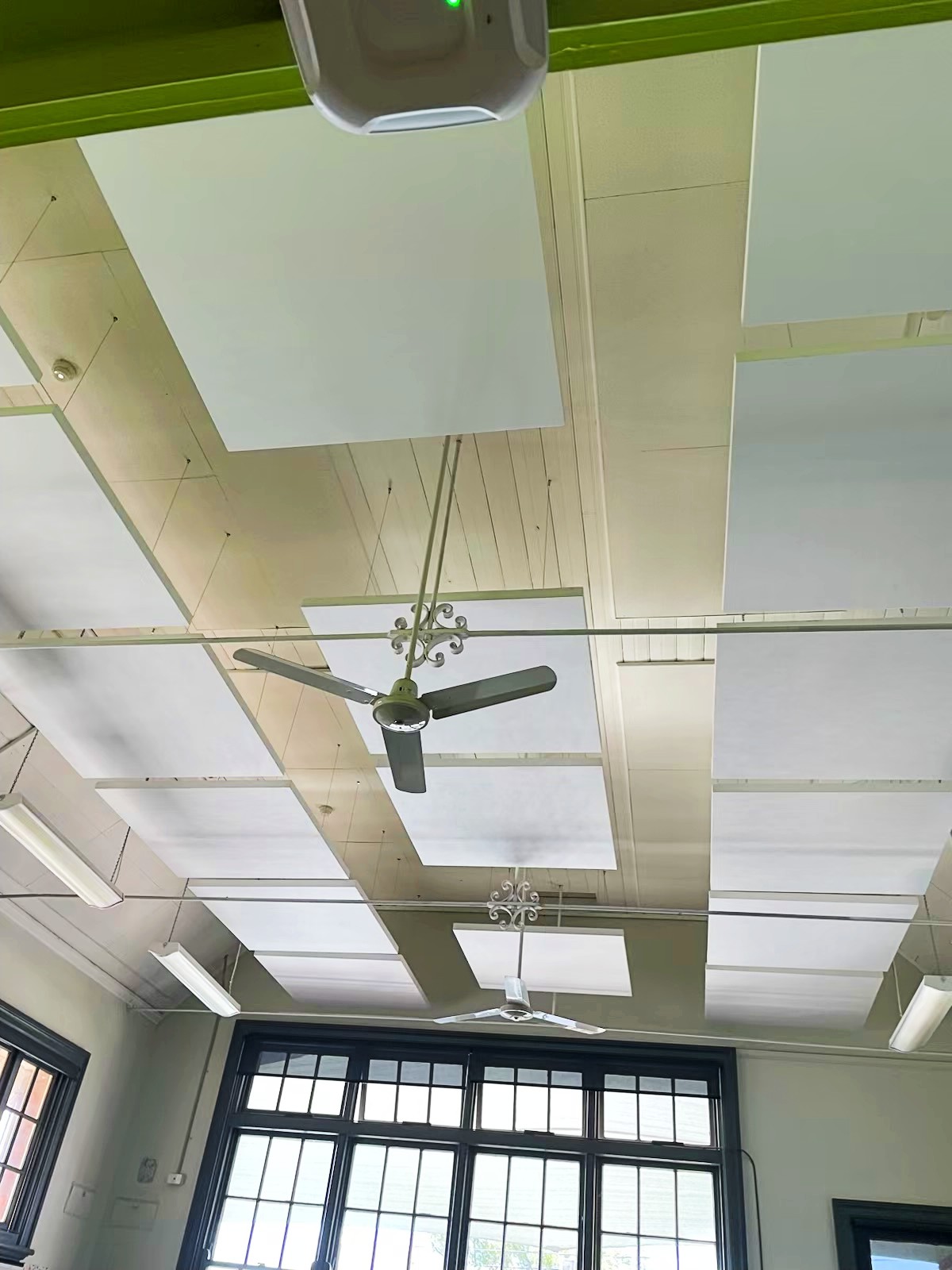
Panels are usually installed on walls near the main listening area and at key reflection points. In some projects, ceiling panels or clouds are added to provide more even coverage.
Examples from the Sontext Range
Sontext offers several fabric-based acoustic solutions:
- Serenity Fabric Acoustic Panels – fabric-faced wall panels for speech clarity and echo control.
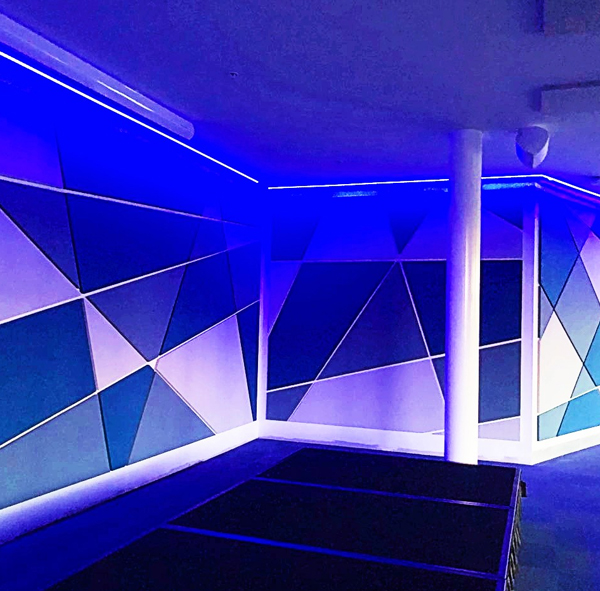
- Serenity Acoustic Art Panels – printed acoustic art panels combining graphics and noise control.
- Ceiling panel options that complement wall panels for a complete acoustic solution.
Do Fabric Acoustic Panels Soundproof a Room?
Fabric acoustic panels are designed for sound absorption inside a room, not as a full soundproofing system between rooms. They will not stop noise transmission through walls on their own, but they will reduce echo and improve the way the room sounds for the people using it.
Need Guidance for Your Project?
Suppose you are planning a fitout or refurbishment and want to understand how fabric acoustic panels can improve your space. In that case, the Sontext team can review your drawings or photos and suggest suitable panel types, thicknesses and layouts.
Contact Sontext to discuss fabric acoustic panel options or request samples for your next project.
Frequently Asked Questions About Fabric Acoustic Panels
What is a fabric acoustic panel?
A fabric acoustic panel is a sound-absorbing wall or ceiling panel made from an acoustic core wrapped in decorative fabric to reduce echo and improve clarity.
How do fabric acoustic panels absorb sound?
Sound passes through the face fabric into the porous acoustic core, where the fibres and air pockets slow the sound waves and dissipate part of the sound energy.
Do fabric acoustic panels soundproof a room?
No. Fabric acoustic panels are designed for sound absorption within the room, not full soundproofing between rooms. They help control echo and reverberation.
Where should I use fabric acoustic panels?
They are ideal for boardrooms, classrooms, offices, worship centres, studios and any space where clearer speech and lower echo are required.
What thickness fabric acoustic panel should I choose?
Thinner panels are suitable for many speech-focused spaces. Thicker panels are often used where stronger echo control or low-frequency absorption is required.

Fabric Acoustic Panel Solutions by Room Type
| Room Type | Typical Acoustic Issue | Recommended Sontext Solution | Typical Panel Placement |
|---|---|---|---|
| Boardroom / Meeting Room | Echo and poor speech clarity during meetings and video calls. | Serenity Fabric Acoustic Panels | Wall panels at ear height on side walls and behind seating or display. |
| Classroom / Lecture Theatre | High reverberation making it hard for students to hear clearly. | Serenity wall panels, optional ceiling panels or clouds | Panels on rear and side walls near students, with additional ceiling treatment above seating. |
| Open-Plan Office | Distracting noise from conversations and phone calls. | Serenity wall panels and acoustic art panels; desk screens where needed | Wall panels along circulation paths and collaboration zones; acoustic art panels near breakout areas. |
| Worship Centre / Auditorium | Long reverberation affecting speech and music clarity. | Serenity Fabric Acoustic Panels on walls; Murano Timber Acoustic Panels where timber finish is required | High-level wall panels around seating area and rear walls; panels placed to avoid direct reflections from stage. |
| Studio / Rehearsal Room | Uncontrolled reflections and flutter echo affecting recordings. | Serenity Fabric Acoustic Panels in thicker build-ups | Panels at first reflection points on side walls, rear wall treatment, and additional panels behind performers. |