Better Office Acoustics Start with the Right Panels
Open-plan offices, meeting rooms and shared work areas can quickly become noisy when hard surfaces allow sound to bounce around the room. Acoustic panels help reduce echo, improve speech clarity and create a more comfortable place to work. This guide explains what architects, designers and project teams should look for when choosing the best acoustic panels for offices.
Best Acoustic Panels for Offices – A Practical Guide for Architects and Designers
Modern offices are often designed with glass, plasterboard, polished floors and open ceilings. While these finishes can look clean and contemporary, they also reflect sound. The result is a workplace that can feel noisy, distracting and tiring over the course of a full day.
Acoustic panels help solve this problem by absorbing sound energy rather than reflecting it back into the room. When selected properly, they can improve speech intelligibility, reduce reverberation and make offices more comfortable for day-to-day use.
Why Offices Commonly Suffer from Echo and Noise Build-Up
Many office interiors include large uninterrupted surfaces that reflect sound. Glass partitions, exposed ceilings, plasterboard walls and hard floor finishes all contribute to reverberation. In open-plan spaces, this problem is often made worse by conversations, phone calls and movement throughout the day.
Common problem areas include open offices, boardrooms, meeting rooms, breakout spaces and reception areas. Without proper sound absorption, these spaces can become difficult to work in, particularly where speech clarity and concentration matter.
How Acoustic Panels Work in Office Environments
Acoustic panels are made from materials that absorb sound waves as they pass through or strike the surface. Instead of bouncing back into the room, part of that sound energy is absorbed within the panel. This reduces reflected noise and shortens reverberation time.
In office environments, this means clearer conversation, less background noise and a more controlled acoustic setting. It does not completely block sound from room to room, but it does improve the sound quality within the space itself.
Wall Panels or Ceiling Panels – Which Is Better?
Both wall and ceiling acoustic panels can be effective, but the right choice depends on the room layout and the surfaces available for treatment.
Wall panels are often used in boardrooms, meeting rooms and private offices where sound reflections occur at ear level.
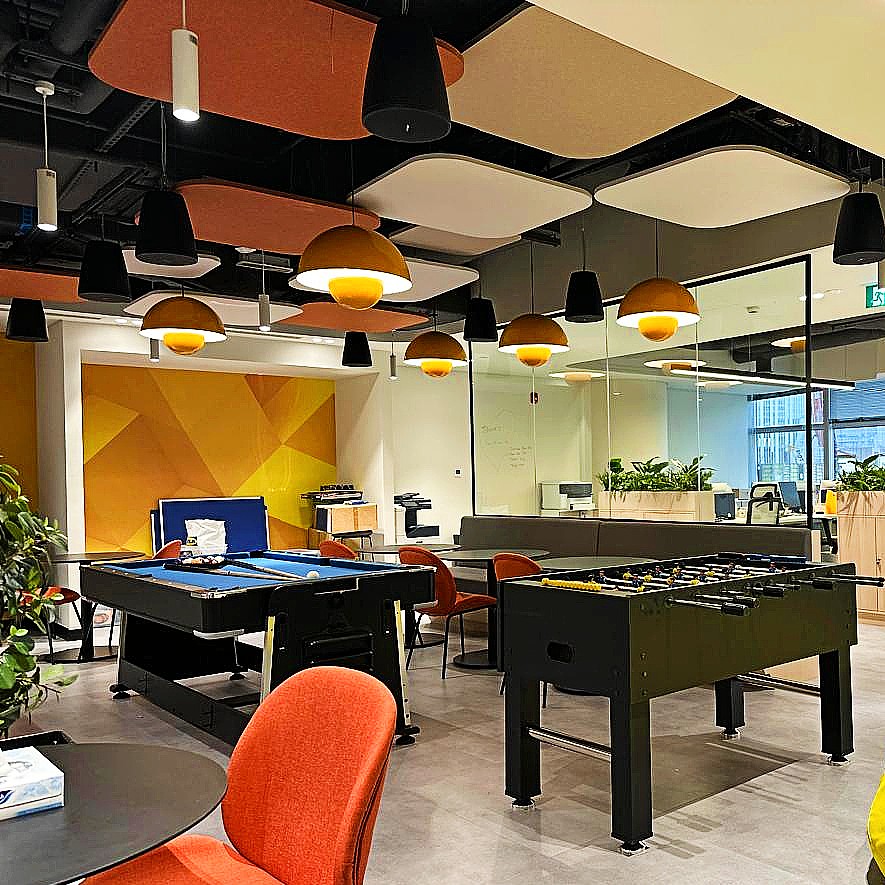
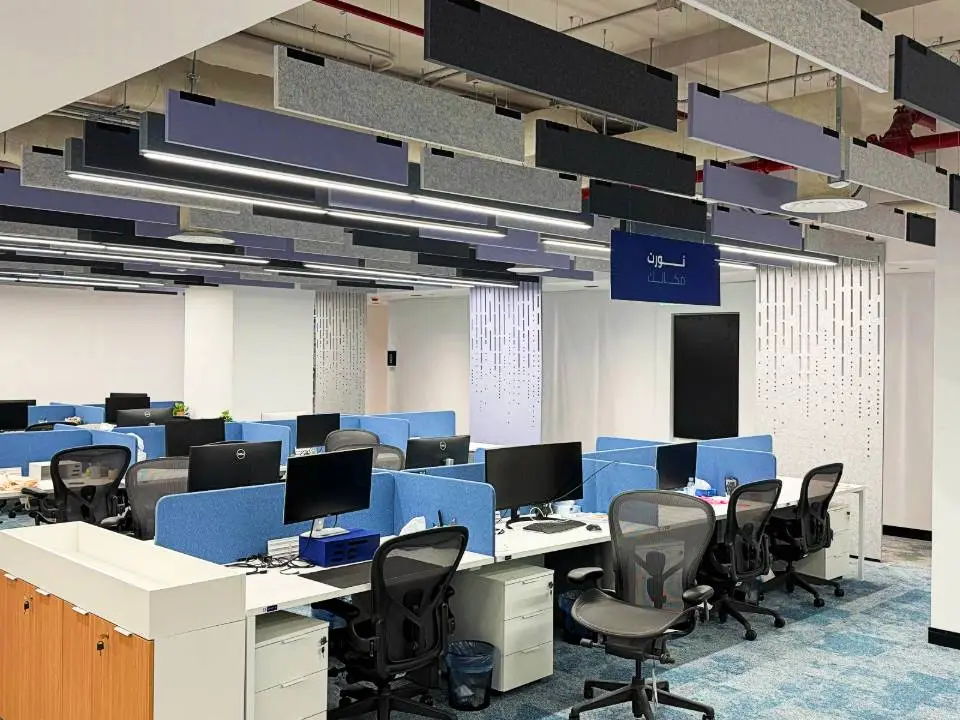
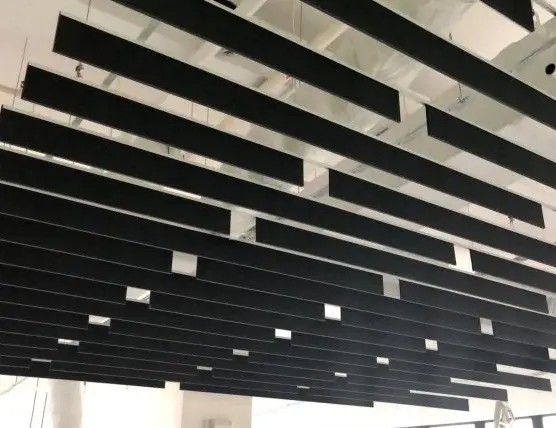
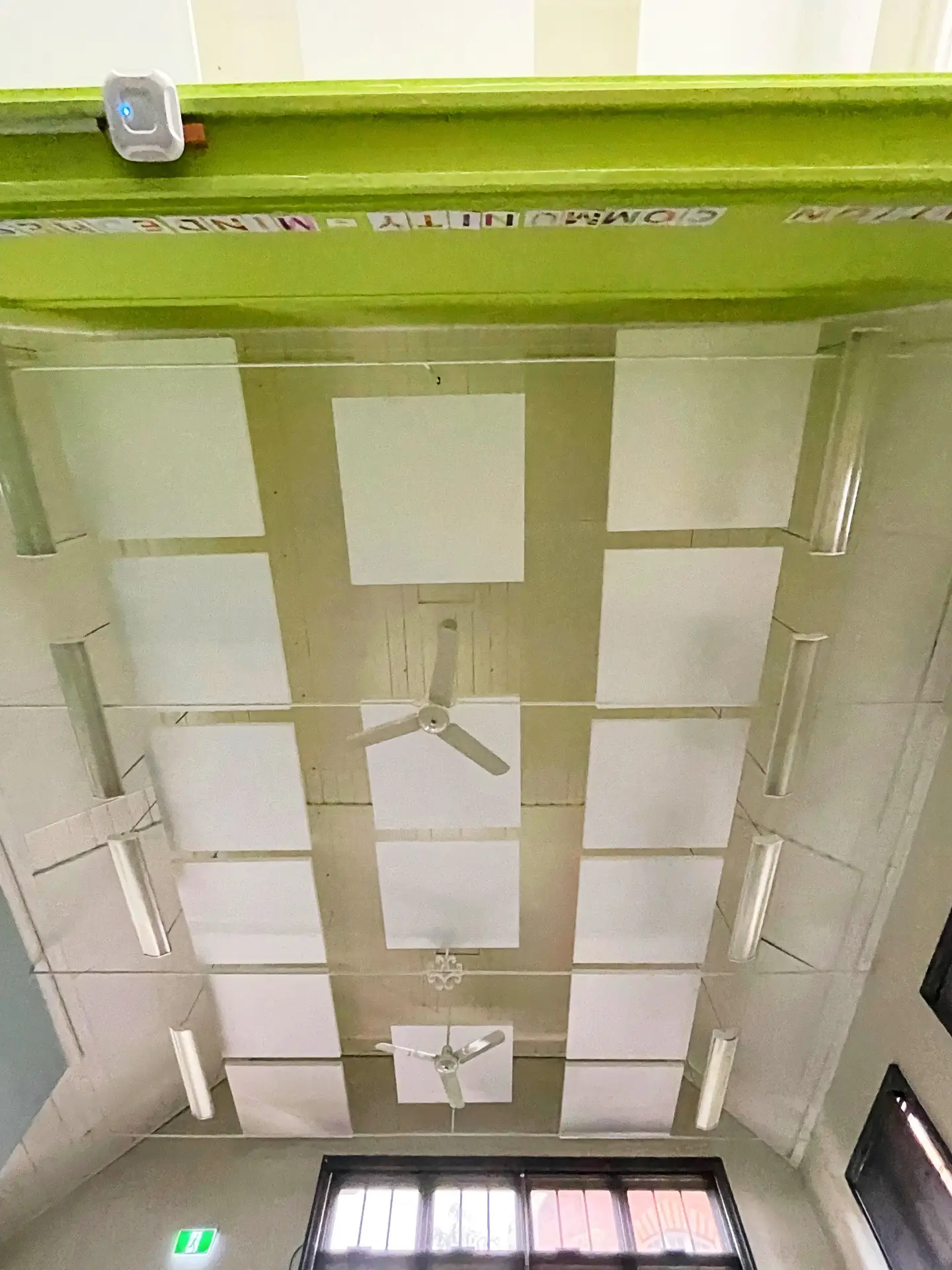
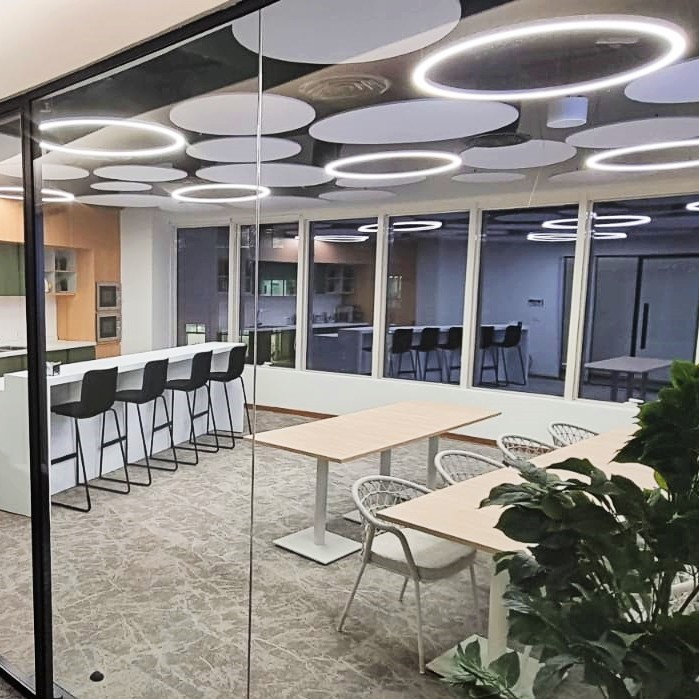
Ceiling panels, baffles and clouds are often better suited to open-plan offices and larger shared spaces where there is limited wall area and a need to treat sound across a broader footprint.
In many commercial projects, the best result comes from combining both wall and ceiling treatments.
What NRC Rating Should Acoustic Panels Have?
NRC stands for Noise Reduction Coefficient. It is one of the most common ways to compare acoustic absorption performance. The higher the NRC, the more sound the panel absorbs.
| NRC Rating | General Performance |
|---|---|
| 0.30 | Low sound absorption |
| 0.50 | Moderate sound absorption |
| 0.70 | Good sound absorption |
| 0.90+ | High-performance acoustic absorption |
For most office environments, acoustic panels with an NRC of 0.80 or above are a strong starting point, particularly where speech clarity and reduction of general noise are priorities.
What Architects and Designers Should Consider
Acoustic performance is important, but it is not the only factor. Product appearance, finish options, ceiling height, available wall space, maintenance needs and sustainability credentials should all be considered early in the design stage.
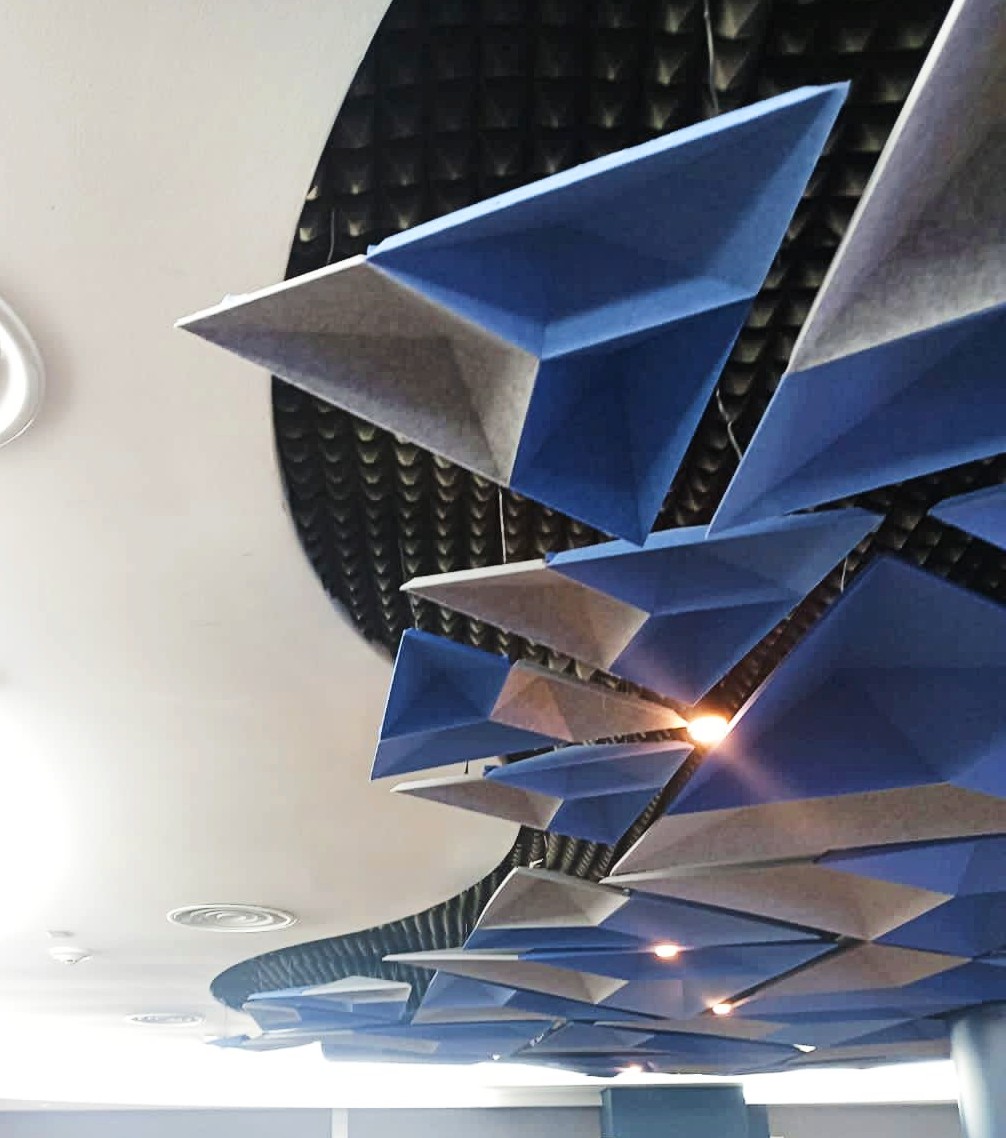
Today’s acoustic solutions are available in a wide range of finishes, including fabric-wrapped panels, painted ceiling systems, polyester panels, baffles, clouds and decorative timber options. This gives architects and designers greater flexibility when balancing acoustic control with the overall interior look.
Choosing the Right Acoustic Solution for an Office
There is no single panel that suits every office. The right solution depends on the size of the room, ceiling height, the amount of glazing, the type of work being carried out and the level of acoustic control required.
In some offices, wall panels may be enough. In others, suspended ceiling systems, acoustic baffles or cloud panels may be the better option. Large commercial spaces may require a combination of treatments to achieve a balanced result.
Working with an experienced acoustic supplier helps ensure the selected system suits both the practical needs of the project and the overall design intent.
Why Better Office Acoustics Matter
Good acoustics support clearer communication, better concentration and a more comfortable workplace. For offices, acoustic panels are not simply an add-on. They are a practical part of creating spaces that function properly for staff, clients and visitors.
Whether the project calls for wall panels, ceiling panels, baffles or decorative acoustic systems, the right product selection can make a noticeable difference to the way an office sounds and feels.
FAQs
1. What are the best acoustic panels for offices?
The best acoustic panels for offices are those with strong sound absorption performance, usually with an NRC of 0.80 or higher, and a format suited to the space such as wall panels, ceiling panels, baffles or clouds.
2. Are wall panels or ceiling panels better for offices?
Both can work well. Wall panels are often effective in meeting rooms and boardrooms, while ceiling panels and baffles are often better for open-plan offices and larger shared spaces.
3. Do acoustic panels stop sound travelling between rooms?
Acoustic panels mainly reduce echo and sound reflection within a room. They are different from soundproofing systems, which are designed to reduce sound transfer between rooms.
4. How many acoustic panels does an office need?
This depends on the room size, ceiling height, layout and the amount of hard reflective surfaces. Larger or noisier spaces usually need more coverage.
5. Can acoustic panels still look good in a modern office?
Yes. Modern acoustic panels are available in a wide range of finishes, colours and formats, making it possible to improve acoustics without compromising the interior design.
Call to Action
If you are planning an office fitout, refurbishment or new commercial space, contact Sontext to discuss acoustic panel solutions for walls, ceilings and shared work areas.